
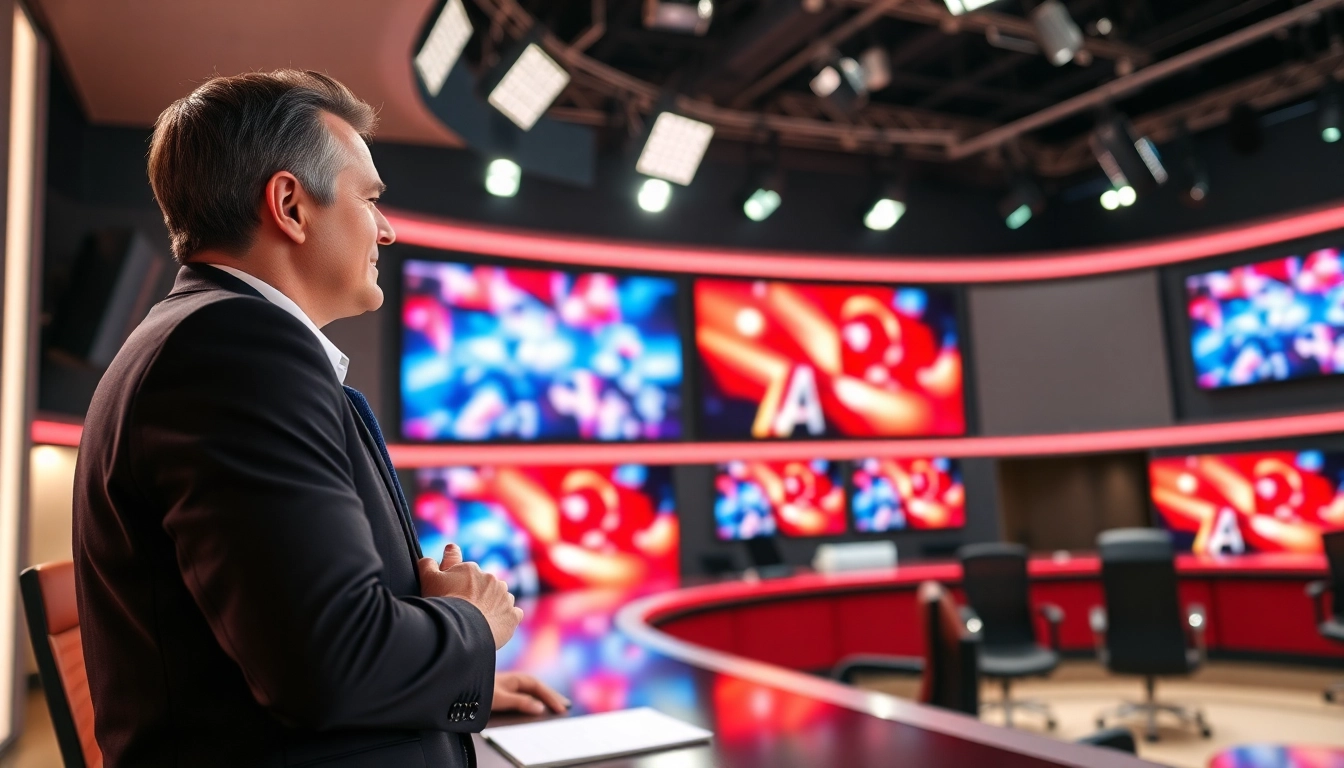
Understanding the Landscape of Sports Broadcasting
Defining Sports Broadcasting
Sports Broadcasting is the dissemination of sports-related content via various media platforms. This content can range from live game coverage, sports news, analysis, and commentary to behind-the-scenes features and athlete interviews. The industry has evolved significantly, driven by technological advancements and changes in viewer consumption habits. Today, the Sports Broadcasting landscape encompasses traditional TV, radio, internet streaming, and social media platforms, catering to diverse audience preferences and enhancing engagement.
Key Players and Stakeholders
Within the sports broadcasting ecosystem, several key players contribute to the overall operation. These include broadcasting networks, sports leagues, advertising agencies, production companies, and technology providers. Networks like ESPN and Fox Sports dominate the traditional landscape, while newer entities like Amazon and Disney+ are making significant inroads into streaming. Sports leagues, such as the NFL, NBA, and UEFA, control broadcasting rights and negotiate lucrative deals with networks and streaming services, further solidifying their influence. Advertisers integrate their brands into broadcasts, directly appealing to engaged audiences, enhancing revenue streams for broadcasters.
Future Trends in Sports Broadcasting
The future of sports broadcasting is poised for exciting new trends. Innovations in technology, such as augmented reality (AR) and virtual reality (VR), offer immersive experiences for viewers. Additionally, the integration of artificial intelligence (AI) in content curation and personalized viewing experiences is expected to grow. The shift towards more interactive broadcasts, allowing viewers to engage in real-time decisions and commentary, along with the rise of subscription-based models, are some key areas expected to reshape the industry in the coming years.
Essential Equipment for Effective Sports Broadcasting
Broadcasting Gear: What You Need
High-quality sports broadcasting hinges on the right equipment. Essential gear includes video cameras, microphones, and broadcasting software. Professional-grade cameras deliver clear, high-definition visuals, crucial for capturing fast-paced action. Microphones, ranging from handheld to lapel types, ensure crisp audio for both announcers and athletes. Broadcasting software facilitates live editing and transitions, integral to creating a polished final product. Understanding the specific needs of the sport being covered is vital when selecting equipment, as each sport may require unique setups.
Technology Trends Shaping the Industry
As technology advances, so too does its impact on sports broadcasting. High-definition and 4K video are becoming standard, allowing for exceptional visual clarity. Technologies like drones provide aerial views of events, enriching the viewer experience. Moreover, mobile broadcasting tools enable remote coverage of games, allowing networks to reach wider audiences and provide more comprehensive coverage. Cloud storage solutions facilitate efficient data management, keeping archives accessible and fostering quick turnaround for highlight reels and other content.
Remote vs. Studio Broadcasting: Pros and Cons
Broadcasting can be categorized into remote and studio settings, each with distinct advantages and challenges. Remote broadcasting allows for direct coverage of live events, offering real-time analysis and a sense of immediacy for viewers. However, this method can face challenges such as connectivity issues and unpredictable environments. Conversely, studio broadcasts provide a controlled setting that can enhance production quality, but may lack the authentic atmosphere found at live events. Understanding the purpose of the broadcast and the audience's expectations is crucial in determining the best approach.
Crafting Compelling Sports Broadcasts
Storytelling Techniques in Sports Contexts
Effective storytelling is at the heart of compelling sports broadcasts. It involves weaving statistics, narratives, and emotions into a cohesive tale that resonates with viewers. Broadcasters should focus on unique player backgrounds, rivalries, and historical contexts that enrich the viewing experience. Using narrative arcs that highlight dramatic moments, such as comebacks or pivotal plays, can engage audiences on a deeper level. This connection fosters loyalty and keeps viewers returning for more entertaining content.
Engaging Your Audience: The Role of Commentary
Commentary plays a pivotal role in enhancing audience engagement during broadcasts. A knowledgeable commentator can transform a straightforward game into an electrifying experience by providing insights and context. Effective commentary strikes a balance between informative and entertaining, inviting viewers to invest emotionally in the action. Engaging commentators can use humor, spontaneous reactions, and dynamic exchanges to captivate an audience, ultimately making every broadcast feel like a shared experience.
Visual Elements That Enhance Broadcast Quality
Visual presentation significantly impacts audience perception and engagement during sports broadcasts. High-definition graphics, slow-motion replays, and animated statistics enrich the viewer experience by adding layers to the broadcast. Implementing split-screen features allows viewers to follow multiple events or player angles simultaneously. Utilizing on-screen graphics that provide critical game stats or player information seamlessly integrates visuals with commentary, elevating the overall quality of the broadcast and keeping viewers informed and engaged.
Best Practices for Live Sports Broadcasting
Preparing for Game Day: A Checklist
Preparation is key for successful live sports broadcasting. Essential checklist items include verifying equipment functionality, confirming game access, and ensuring that all feeds and connections are in place. Conducting rehearsals can help familiarize the team with the layout and nuances of the event. Additionally, reviewing roles within the broadcast team, from commentator to tech support, can significantly reduce last-minute confusion and enhance overall performance on game day.
Dealing with Live Interruptions and Technical Issues
Live broadcasts are susceptible to unexpected interruptions, including technical malfunctions and unforeseen events. Developing a contingency plan is crucial for handling such situations. This plan should include backup equipment, alternative feeds, and clear communication channels among crew members. Training team members to react quickly and maintain composure under pressure can mitigate the impact of interruptions, ensuring that the broadcast continues smoothly even when challenges arise.
Building a Rapport with Viewers
Creating a personal connection with viewers enhances their engagement and loyalty over time. Broadcasters can build rapport by interacting with the audience through social media, recognizing fans' contributions, and sharing relatable stories during broadcasts. This approach humanizes the broadcasting team and fosters a sense of community among viewers. Encouraging viewer participation through polls, questions, or feedback during live broadcasts can further strengthen this connection and enhance overall viewer satisfaction.
Analyzing Performance and Audience Engagement
Key Metrics for Success in Sports Broadcasting
Performance analysis is essential to improve broadcasting quality continually. Key metrics to assess include viewership numbers, audience retention rates, and engagement levels. Tracking these statistics allows broadcast teams to gauge which segments captivate viewers and which may require adjustment. Analyzing social media engagement, including comments and shares, provides insight into viewer preferences and behaviors, helping broadcasters refine their strategies moving forward.
Utilizing Viewer Feedback for Improvement
Viewer feedback is a valuable asset for refining broadcast approaches. Engaging with audiences through surveys, social media interactions, and realtime polling allows broadcasters to gather insights on their performance. Constructive feedback can unveil areas for improvement, from commentary styles to technical execution. Actively responding to viewer concerns demonstrates a commitment to excellence and fosters an ongoing relationship with the audience, enhancing loyalty and satisfaction.
Overcoming Common Challenges in Audience Engagement
Sports broadcasters face numerous challenges in audience engagement, including declining viewer attention spans and increased competition from social media platforms. To combat these issues, broadcasters should focus on delivering concise, engaging content that resonates with their audience's interests. Using interactive elements, such as quizzes or live chats, can stimulate viewer participation, keeping audiences invested and encouraging them to share their experiences across social networks, thus expanding reach.
FAQs About Sports Broadcasting
What is sports broadcasting?
Sports broadcasting refers to the dissemination of sports events and content via television, radio, or online platforms, including live coverage, commentary, and analysis.
What equipment is essential for sports broadcasting?
Essential equipment includes professional cameras, microphones, broadcasting software, and reliable connectivity tools to ensure high-quality broadcasts.
How can I improve viewer engagement during broadcasts?
Improving viewer engagement can be achieved by incorporating interactive elements, providing compelling commentary, and ensuring high production quality throughout the broadcast.
What role does commentary play in sports broadcasting?
Commentary provides insights, enhances storytelling, and connects the audience to the event, making it integral to creating an engaging viewing experience.
How do I handle technical difficulties during a live broadcast?
Prepare a contingency plan that includes backup equipment and a trained crew to manage technical difficulties swiftly and maintain broadcast quality.